How Diabetes and Other Conditions Increase Cataract Risk
Cataracts and Your Long-Term Eye Health
Cataracts are a common part of aging, but certain health conditions can increase your risk or cause cataracts to develop earlier. A cataract forms when the natural lens inside the eye becomes cloudy, which can make vision look blurry, hazy, dim, or less colorful.
At Stadium Opticians, we believe clear vision starts with proactive eye care. Understanding your risk factors can help you know when to schedule an eye exam and what changes to watch for between visits.
How Diabetes Can Increase Cataract Risk
Diabetes is one of the most important health conditions linked to cataracts. When blood sugar levels remain high over time, they can affect the lens of the eye and contribute to clouding. People with diabetes may also develop cataracts at a younger age compared to those without diabetes.
Diabetes can affect more than the lens, which is why regular diabetic eye exams are so important. During an eye exam, we can look for cataracts as well as other diabetes-related eye concerns, including changes in the retina.
Other Health Conditions That May Play a Role
While diabetes is a major cataract risk factor, it is not the only one. Certain medical conditions, eye injuries, inflammation, and long-term medication use can also affect the health of the lens.
Conditions that may increase cataract risk include chronic eye inflammation, previous eye trauma, high myopia, and certain autoimmune or metabolic conditions. Long-term use of steroid medications may also raise the likelihood of cataract development. If you have a medical history that affects your eyes, routine monitoring becomes even more important.
Signs Cataracts May Be Affecting Your Vision
Cataracts often develop gradually, so early symptoms can be easy to overlook. You may still see well enough for daily tasks while noticing small changes in contrast, glare, or night vision.
Common cataract symptoms include:
- Blurry, cloudy, or dim vision
- Increased glare from headlights or sunlight
- Trouble seeing clearly at night
- Colors appearing faded or yellowed
- Frequent changes in your glasses prescription
- Double vision in one eye
- Needing brighter light for reading
If these symptoms sound familiar, an eye exam can help determine whether cataracts or another eye condition may be affecting your sight.
Why Eye Exams Matter If You Have Diabetes
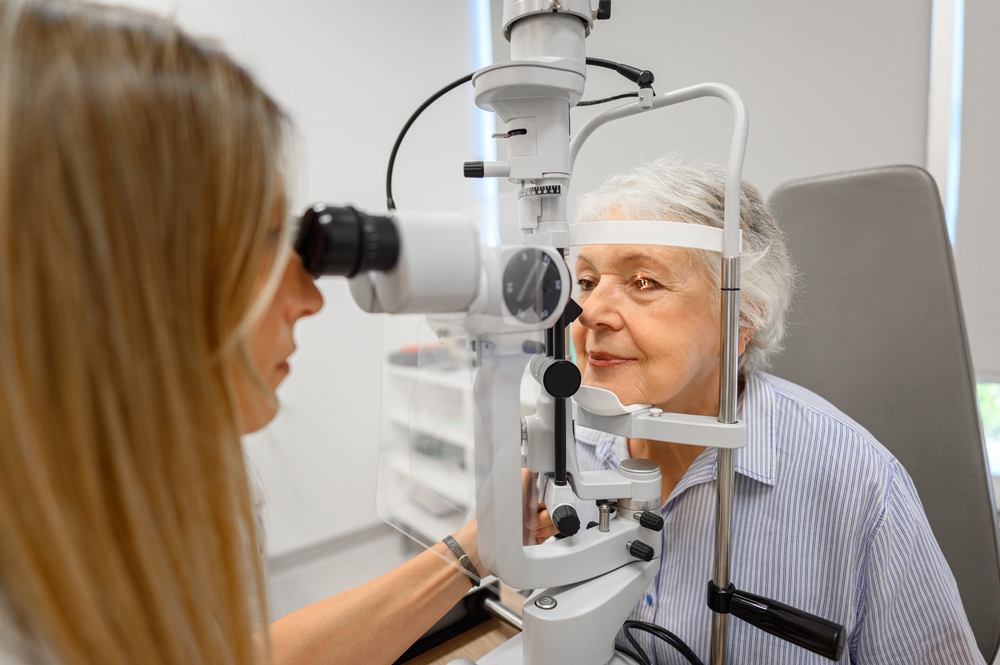
For patients with diabetes, eye exams are not just about updating a glasses prescription. A comprehensive exam allows us to evaluate the front and back of the eye, check for lens changes, and look for signs of diabetic eye disease.
Even if your vision feels stable, changes can develop before symptoms become obvious. Routine eye care gives us the opportunity to identify concerns early and help you understand your options.
Supporting Your Vision Through Healthy Habits
You cannot always prevent cataracts, but you can take steps to support your eye health. Managing blood sugar, protecting your eyes from UV exposure, avoiding smoking, and keeping up with medical care can all play a role in lowering risk.
We also encourage patients to bring up any changes in vision, medication use, or health history during their visit. The more we understand about your overall health, the better we can personalize your care.
Schedule an Eye Exam in Ann Arbor, MI
If you have diabetes or another health condition that may increase your cataract risk, we are here to help you stay proactive about your vision. Contact Stadium Opticians in Ann Arbor, MI by calling (734) 600-8860 to schedule your next eye exam.
Quick Links
Helpful Articles
article_category: products
article_category: psychiatry
article_category: faqs
article_category: cats
article_category: general
article_category: services
article_category: technology
article_category: dogs
article_category: restorative
article_category: vision therapy
article_category: contact lenses
article_category: health
article_category: conditions
article_category: eye surgery co-management
article_category: exotic
article_category: cosmetic
article_category: surgical procedures
article_category: aesthetics
article_category: preventative
article_category: ocular disease management
article_category: eyeglasses
article_category: eye health
article_category: large animal
[]
article_category: psychiatry
article_category: faqs
article_category: cats
article_category: general
article_category: services
article_category: technology
article_category: dogs
article_category: restorative
article_category: vision therapy
article_category: contact lenses
article_category: health
article_category: conditions
article_category: eye surgery co-management
article_category: exotic
article_category: cosmetic
article_category: surgical procedures
article_category: aesthetics
article_category: preventative
article_category: ocular disease management
article_category: eyeglasses
article_category: eye health
article_category: large animal
[]
Flowbite is an open-source library of interactive components built on top of Tailwind CSS including buttons, dropdowns, modals, navbars, and more.
Check out this guide to learn how to get started and start developing websites even faster with components on top of Tailwind CSS.

All Eye Care Services
Find personalized eye care excellence with our comprehensive services. From eye exams to advanced diagnostics, trust us for all your vision needs.

Keep In Touch
For non-urgent questions or to learn more about our services, contact us today!
© 2026 Stadium Opticians. All rights Reserved - Accessibility Statement - Privacy Policy - Sitemap
Managed and Designed by 